
When your home’s heating system suddenly starts acting up, few things feel as frustrating or alarming as discovering a boiler leak. Whether your boiler is leaking water, dripping from underneath, or your entire heating system is losing pressure, it’s easy to wonder what’s happening and how serious the problem might be. At Chicago Comfort HVAC Services, we help homeowners across the Chicagoland area understand what’s wrong and what to expect next, especially when you’re trying to prevent a bigger issue or considering a future boiler installation.
In this guide, let’s break down the most common boiler leaks, what causes them, and when it’s time to call a professional. Our goal is to make this as clear and conversation-friendly as possible, so you know exactly what engineers want you to know.
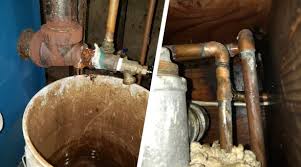
Why Is My Boiler Leaking? A Homeowner-Friendly Breakdown
A leaking boiler can mean a lot of things from something simple like a loose joint to something serious like a leaking heat exchanger. Before panic sets in, let’s walk through the possible causes and what they really mean.
1. Boiler Pressure Issues (Too High or Too Low)
Your boiler’s pressure plays a huge role in whether everything is running smoothly.
- Boiler pressure too high can cause water to escape through the pressure relief valve. If you see the boiler overflow leaking, this is likely the reason.
- Boiler pressure too low often means there’s already a leak somewhere, and the system is losing water faster than it can replenish.
If your system is repeatedly losing pressure, it’s often a sign of a deeper issue possibly a central heating leaking pipe or even a problem with the expansion vessel.
The Most Common Sources of Boiler Leaks
Let’s take a look at the parts of your boiler that engineers see the most trouble with.
2. Leaking Pressure Relief Valve
This small but vital component is designed to release excess pressure. When it fails or becomes worn, it can drip constantly, creating a noticeable boiler leak. Often caused by persistent high pressure, this issue usually requires professional boiler leak repair.
3. Faulty or Worn Seals
A faulty boiler seal can lead to water seeping from inside the unit. Over time, seals weaken from heat and pressure, eventually causing visible dripping.
4. Leaking Heat Exchanger
One of the more serious (and expensive) issues is a leaking heat exchanger. Corrosion, pressure stress, or age can cause cracks that lead to internal water leaks. If your boiler is older, this might be the reason your system is leaking but still technically operating.
5. Corroded Boiler Pipes
Corrosion is one of the most common culprits behind boiler pipe leaking problems. Older systems, hard water, or chemical imbalance can slowly wear away metal pipes, resulting in leaks around joints and connections.
6. Leaking Condensate Pipe
Modern condensing boilers produce acidic condensate, which sometimes leads to a leaking condensate pipe if the pipe becomes blocked, frozen, or cracked.
Boiler Leaking Water but Still Working Is It Dangerous?
Many homeowners ask, Is a leaking boiler dangerous” While not always immediately hazardous, a leaking boiler is a sign that something is malfunctioning and it should never be ignored. Water and electrical components don’t mix, and overly high pressure can cause internal parts to fail.
If the leak is large, sudden, or accompanied by strange noises, call an emergency boiler repair service right away.
What Should You Do If Your Boiler Is Leaking?
If you’re wondering, My boiler is leaking—what do I do? here’s a quick, simple checklist.
Step-by-Step Guide
- Switch off the boiler to prevent electrical hazards.
- Turn off the water supply if the leak is heavy.
- Check the pressure gauge—if it’s above the recommended level, release excess pressure.
- Look for visible dripping around pipes, valves, or seals.
- Call a professional if the leak continues.
If you’re searching for boiler leaking repair near me in Chicago, our team at Chicago Comfort HVAC Services can handle everything from diagnostics to full system repairs.
When to Call a Boiler Engineer
Some leaks are minor; others point to major internal faults. To stay safe and protect your investment, it’s smart to schedule:
- Boiler inspection
- Boiler servicing
- Boiler maintenance
Routine upkeep helps prevent issues like a water tank leak, radiator leaking, or broader plumbing leak detection problems.
If you’re searching for a trusted boiler engineer near me, know that Chicago Comfort’s experts can diagnose and repair leaks quickly and professionally.
Planning Ahead: When a New Boiler Installation Makes Sense
Sometimes a leak is simply the symptom of an aging system. If your boiler is over 15 years old, frequently losing pressure, or showing corrosion across multiple components, it might be time to consider a replacement.
A professional boiler installation can offer better efficiency, quieter operation, and far fewer repair headaches.
Final Thoughts
A boiler leak can be a small inconvenience or a warning sign of a serious internal issue. By understanding the most common causes and what to look for, you’ll be better prepared to act quickly and protect your home.At Chicago Comfort HVAC Services, we’re here to help keep your home safe, warm, and leak-freewhether you need a simple repair, a full inspection, or a brand-new boiler installation.